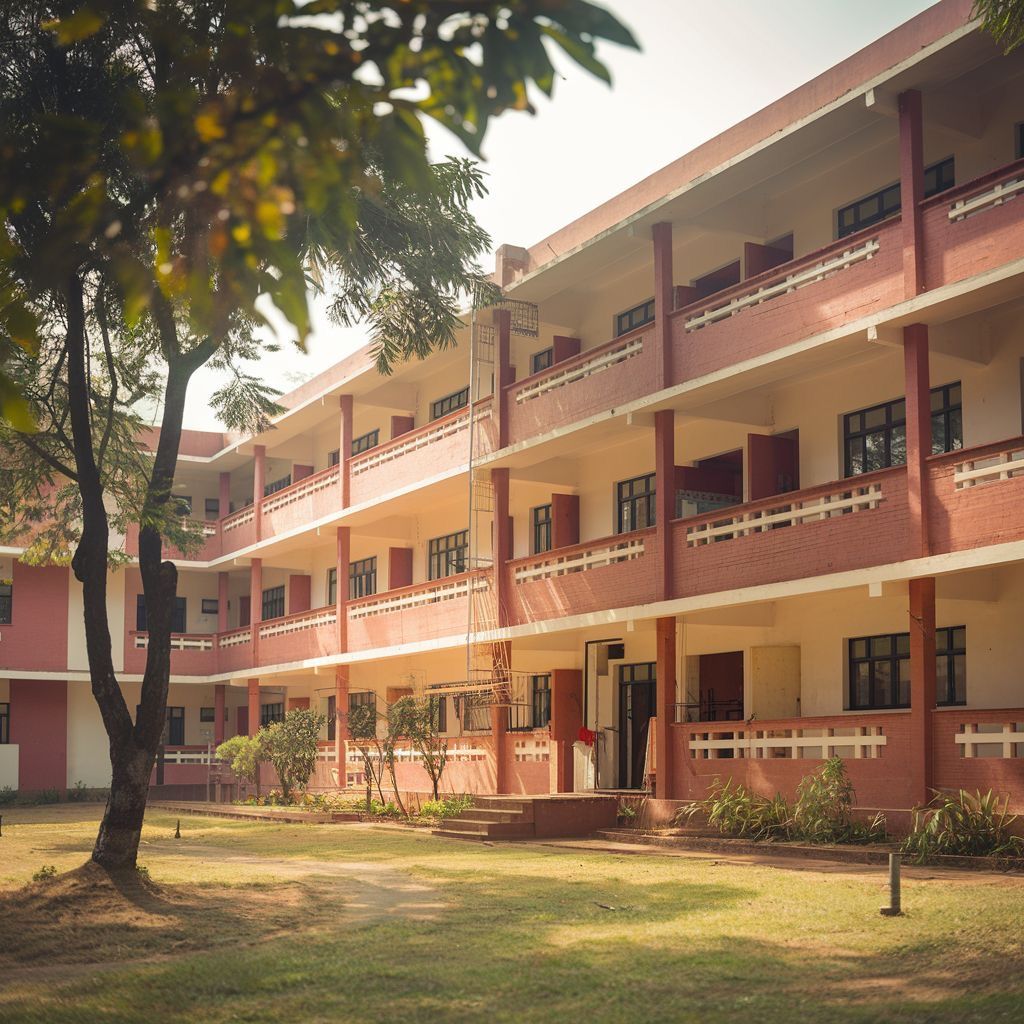
Morning Assembly and First Periods
The school day at St. Joseph Boys’ High School Khadki begins promptly at 7:45 AM with students lining up in neat rows on the parade ground. The morning assembly starts with a prayer, followed by the national anthem and a minute of silent reflection. A student reads the day’s news headlines and shares a thought for the day. The principal or a teacher then addresses the school briefly, often recognizing achievements or announcing upcoming events. By 8:10 AM, boys disperse to their first class of the day. The first two periods typically focus on core subjects like Mathematics or stjosephboysschoolskhadki English. Classrooms are equipped with smart boards, but teachers also use traditional chalk and talk methods, ensuring concepts are fully understood. Students are expected to carry their daily planners, where they note homework and upcoming tests, a habit that instills organization from a young age.
Mid-Morning Lessons and Break
After the first two periods, the third period might be Science or Social Studies. Science lessons often involve demonstrations or lab work, with boys pairing up to conduct experiments under teacher supervision. Social Studies classes use maps, documentaries, and group discussions to make history and geography come alive. By 10:30 AM, the bell rings for the first break. Boys rush to the canteen, which serves hygienic snacks like sandwiches, fruit, and milk. The playground fills with students playing quick games of football or cricket, while others sit under the banyan tree sharing tiffin. Teachers also take their break but often linger nearby, available for informal chats. Prefects patrol the grounds to ensure no one is left out or bullied. This 25-minute break is a crucial social time where friendships deepen and cross-class bonds form. The break ends with a warning bell, and everyone washes their hands and heads to the fourth period.
Late Morning to Lunch
The fourth and fifth periods cover languages and electives. Students rotate between Hindi, Marathi, and French, with language labs used for pronunciation practice. Electives might include Art, Music, or Computers, allowing boys to pursue their interests. The computer lab sessions are particularly popular, with students learning coding, graphic design, or even basic animation. By 12:30 PM, it is time for the second break, which is lunch. Most students bring home-cooked lunch, while others buy hot meals from the canteen on designated days. The school promotes silent lunch on Wednesdays, where boys eat without talking, focusing on gratitude and mindful eating. After lunch, students have 15 minutes of supervised free time, often used for finishing homework or visiting the library. The librarian is a beloved figure who recommends books based on each student’s reading level, fostering a love for literature that lasts a lifetime.
Afternoon Activities and Sports
Post-lunch periods are dedicated to non-academic but equally important activities. On Mondays and Thursdays, the entire school has games period, with students changing into sports uniforms. Basketball, football, cricket, athletics, and yoga are all offered, with professional coaches running drills. On Tuesdays and Fridays, clubs meet: Robotics, Debate, Photography, Environment, and Quiz Club among them. Wednesdays feature the life skills program, where students learn financial literacy, first aid, or public speaking. By 2:15 PM, the final period of the day begins, often reserved for revision, library time, or remedial classes for those who need extra help. Teachers rotate through the library to assist with research projects. The school day officially ends at 3:00 PM, but many students stay for supervised study hall until 4:00 PM, completing homework before going home.
End of Day and Reflection
As 3:00 PM approaches, the final bell rings, and students clean their desks and classrooms, a daily duty rotated among groups. The principal stands at the main gate, personally bidding goodbye to students and reminding them to be safe on the road. Bus students assemble in designated areas, while walkers and pick-up students leave with their guardians. For boarders (if applicable), the day continues with evening study sessions and supper. Before leaving, every student stops at the “Gratitude Wall” in the main corridor, where they can pin a note about something positive that happened that day. This simple practice reinforces a positive mindset. Back home, students are expected to spend 60-90 minutes on homework and revision, but the school explicitly discourages additional coaching or late-night studying. A typical Josephite is in bed by 9:00 PM, reflecting on a day that balanced rigor with joy, discipline with freedom, and individual growth with community belonging.